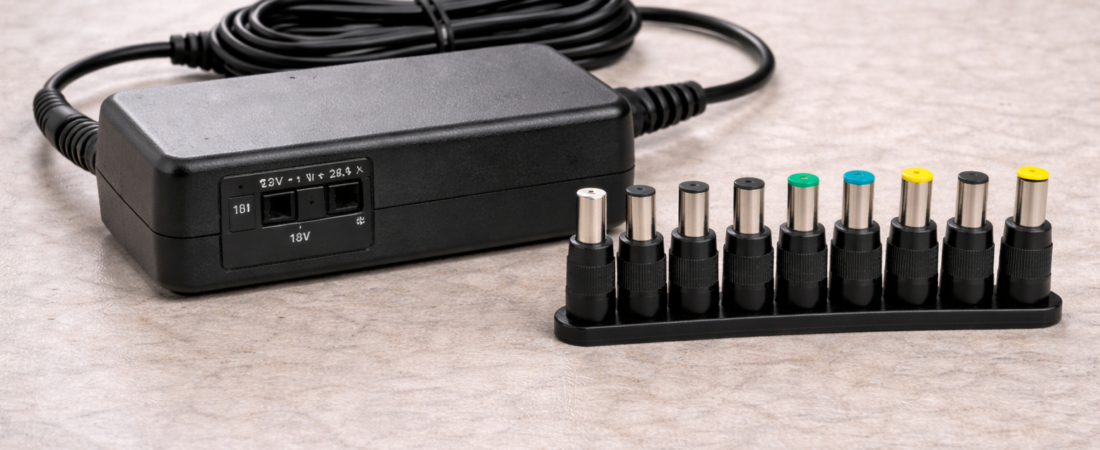
Universal vacuum chargers can be safe — but only when the electrical specifications are matched correctly.
The risk does not come from the word “universal.”
The risk comes from incorrect voltage, poor connector fit, or low-quality components.
This guide explains when universal chargers are safe and when they should be avoided.
When Universal Chargers Are Safe
A universal charger can be safe if:
• The voltage is set to the exact required output
• The amperage meets or exceeds the original charger
• The connector tip fits securely
• Polarity matches the original charger
• The charger includes built-in overload protection
Voltage must match exactly. Even small differences can damage the battery.
If you are unsure how to verify voltage, see:
👉 Vacuum Charger Voltage and Amperage Guide
If you need help confirming full compatibility, see:
👉 Vacuum Charger Compatibility Explained
Common Safety Risks
Universal chargers become unsafe when:
• The voltage is set incorrectly
• The polarity is reversed
• The connector is loose or unstable
• The charger does not list output specifications clearly
• The charger overheats during use
A charger that feels hot, smells unusual, or produces inconsistent charging behaviour should be disconnected immediately.
Adjustable Voltage Risks
Many universal chargers include adjustable voltage switches.
The most common mistake is:
• Selecting the wrong voltage setting
• Forgetting to change the voltage before plugging into a different device
Always set the voltage before connecting to the vacuum.
Double-check the label on the original charger or battery before making adjustments.
Build Quality Matters
Safety depends heavily on build quality.
Higher-quality universal chargers typically include:
• Short-circuit protection
• Over-current protection
• Temperature regulation
• Stable internal components
Very low-cost chargers may lack these protections.
If you are deciding between adjustable universal options and brand-specific replacements, see:
👉 OEM vs Third-Party Vacuum Chargers
When to Avoid Universal Chargers
Avoid universal chargers if:
• The required voltage is unclear
• The battery system is proprietary
• The connector does not fit securely
• The vacuum is still under warranty
In these cases, an OEM charger may be the safer choice.
CTA — Checking Safe Universal Options
If you have confirmed the exact voltage, connector type, and polarity, you can view adjustable universal vacuum chargers that match your voltage below.
Final Safety Summary
✔ Voltage must match exactly
✔ Amperage must meet or exceed original rating
✔ Connector must fit securely
✔ Confirm polarity before connecting
✔ Avoid chargers without clear output labeling
Universal chargers can be safe — but only when electrical compatibility is verified first.